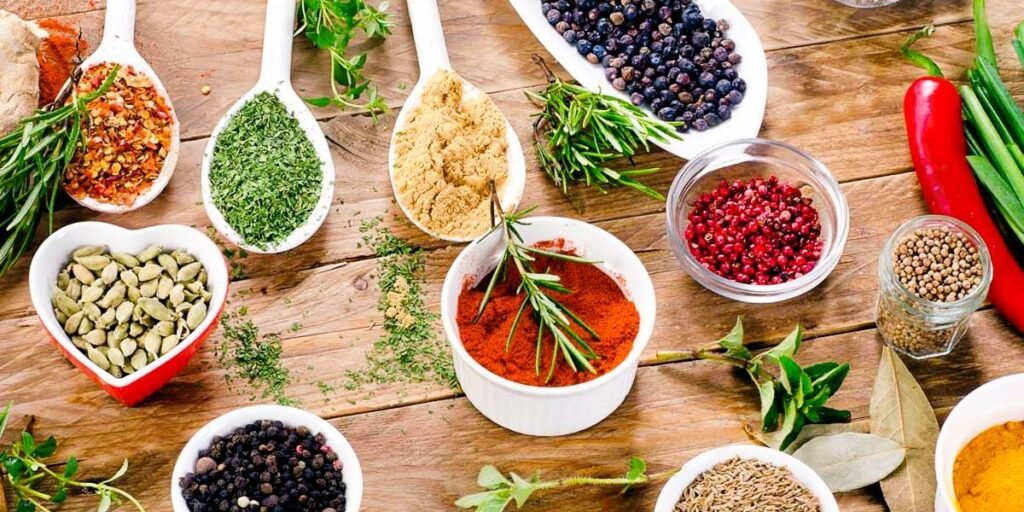
Spices are the soul of cooking. Long before modern kitchens and packaged seasonings existed, spices shaped cultures, trade routes, and cuisines across the world. From a pinch of turmeric in an Indian curry to a sprinkle of cinnamon in a European dessert, spices do far more than add heat—they create aroma, depth, color, and identity in food. Understanding spices is not just about knowing what tastes spicy, but about learning where they come from, how they behave, and how to use them correctly.
This ultimate spice guide explores the origins, flavor profiles, and culinary uses of spices, helping home cooks make smarter, more confident choices in the kitchen.
The Origins of Spices: From Ancient Trade to Modern Kitchens
Spices have been valued for thousands of years, often worth more than gold. Ancient civilizations in India, China, the Middle East, and Southeast Asia cultivated spices not only for cooking, but also for medicine, preservation, and religious rituals. The global spice trade connected continents, leading to famous routes like the Silk Road and shaping world history.
India emerged as one of the world’s richest spice hubs, producing black pepper, cardamom, turmeric, cloves, and many other essential spices. Meanwhile, regions like Sri Lanka, Indonesia, and the Middle East became equally important for cinnamon, nutmeg, and saffron. Today, these same spices remain central to cuisines worldwide, carrying centuries of tradition into modern meals.
Understanding Spice Flavors Beyond Heat
A common misconception is that spices only add spiciness. In reality, spice flavors are complex and layered. Some spices provide warmth, others sweetness, bitterness, earthiness, or freshness.
For example:
- Cumin adds a deep, earthy warmth
- Coriander seeds offer citrusy, slightly sweet notes
- Cloves bring intense aroma and mild bitterness
- Cardamom combines sweetness with herbal freshness
Heat itself also varies. Black pepper creates sharp warmth, chili produces lingering heat, and ginger delivers a fresh, warming sensation. Knowing these differences helps balance dishes instead of overpowering them.
Whole Spices vs Ground Spices: Why It Matters
One of the most important aspects of spice usage is choosing between whole and ground forms. Whole spices retain their essential oils longer, making them more aromatic and flavorful when freshly roasted or ground. Ground spices, while convenient, lose potency faster when exposed to air and moisture.
For slow-cooked dishes, whole spices work best as they release flavor gradually. Ground spices are ideal for quick cooking or finishing touches. Understanding when to use each form can dramatically improve the final taste of a dish.
How Cooking Methods Affect Spices
Spices react differently depending on how they are cooked. Dry roasting enhances aroma and removes raw bitterness. Blooming spices in oil or ghee releases fat-soluble compounds that deepen flavor. Adding spices at the wrong stage can result in burnt, bitter, or flat taste.
For example, mustard seeds and cumin seeds are often tempered in hot oil at the beginning of Indian cooking, while garam masala is usually added at the end to preserve its aroma. Timing matters just as much as quantity.
Cultural Uses of Spices Across Cuisines
Every cuisine uses spices differently. Indian cooking relies on layered spice combinations. Middle Eastern dishes focus on warm, aromatic blends. Southeast Asian cuisine balances spice with herbs and acidity. Western cooking often uses spices more subtly, pairing them with fats, dairy, or sugar.
These cultural approaches highlight that spices are not interchangeable. A spice blend that works beautifully in one cuisine may feel out of place in another. Understanding cultural context helps you use spices respectfully and effectively.
Storage and Freshness: Keeping Spices at Their Best
Even the finest spices lose their impact if stored incorrectly. Light, heat, air, and moisture are the biggest enemies of spice freshness. Whole spices generally last longer than ground ones, but all spices should be stored in airtight containers away from direct sunlight.
Fresh spices don’t just taste better—they require smaller quantities, making dishes more balanced and refined. Regularly checking aroma is the simplest way to judge spice quality.
Using Spices With Confidence in Everyday Cooking
Spice knowledge turns cooking from guesswork into craft. When you understand origins, flavors, and behavior, you stop following recipes blindly and start cooking intuitively. You learn how to adjust spice levels, correct mistakes, and build flavors from scratch.
Spices are not meant to dominate; they are meant to support ingredients, enhance natural flavors, and create harmony on the plate. With the right understanding, even simple dishes can become deeply satisfying.
Final Thoughts
Spices are more than ingredients—they are history, culture, science, and art combined. Exploring their origins, flavors, and culinary uses opens the door to better cooking and deeper appreciation of food traditions. Whether you are a beginner or an experienced home cook, learning about spices empowers you to cook with clarity, balance, and confidence.
In the end, great food doesn’t come from using more spices—it comes from using them right.