Spices are more than just ingredients sprinkled into a dish—they are the soul of cooking across cultures. From the warmth of Indian curries to the subtle aromatics of Mediterranean cuisine and the bold heat of global street food, spices define how food tastes, smells, and feels. Understanding spices is not only about flavor; it is about history, science, tradition, and technique. This deep dive explores how spices shape Indian and global cooking and why they remain indispensable in kitchens worldwide.
The Cultural Roots of Spices
Spices have influenced human civilization for thousands of years. Ancient trade routes such as the Spice Route connected India, the Middle East, Africa, and Europe, transforming local cuisines and economies. India, in particular, has long been regarded as the heart of the spice world. Black pepper, often called “black gold,” once drove global exploration, while spices like cardamom, cinnamon, and cloves were prized for both culinary and medicinal purposes.
Globally, spices became markers of identity. Mexican cuisine relies on chilies and cumin, Middle Eastern cooking celebrates sumac and za’atar, Southeast Asian dishes use lemongrass and galangal, and European cuisines evolved around herbs and milder spices. Each region adapted spices to local ingredients, creating distinct food traditions.
The Role of Spices in Indian Cooking
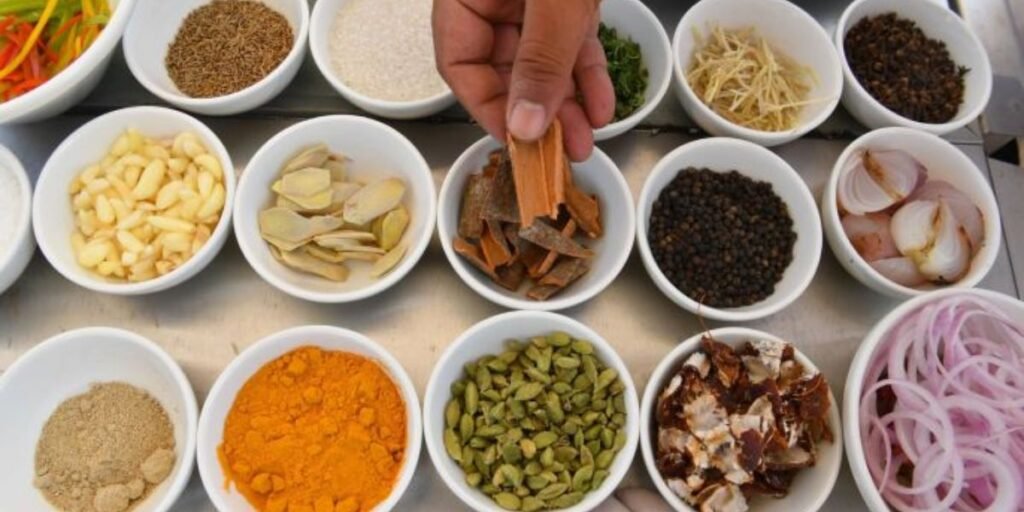
Indian cuisine is impossible to imagine without spices. Unlike many global cuisines where spices are used sparingly, Indian cooking uses them in layers. Whole spices such as cumin seeds, mustard seeds, bay leaves, and cloves are often tempered in hot oil at the beginning of cooking to release their essential oils. Ground spices like turmeric, coriander, chili powder, and garam masala are added later to build depth and complexity.
Spices in Indian food serve multiple purposes:
- Flavor building: Combining sweet, bitter, pungent, and earthy notes
- Color: Turmeric and chili powder give vibrant hues
- Preservation: Historically, spices helped extend shelf life
- Digestion and health: Many spices aid metabolism and gut health
The balance of spices varies by region—North Indian gravies are rich and aromatic, South Indian dishes emphasize curry leaves and black pepper, while Eastern and Western cuisines have their own unique spice blends.
Spices as the Foundation of Global Cuisines
Outside India, spices also play a defining role, though often in a more restrained manner. In Middle Eastern cuisine, spices like cumin, coriander, cinnamon, and allspice are used to enhance meat, rice, and lentils without overpowering them. African cuisines, especially Ethiopian and Moroccan, rely heavily on spice blends such as berbere and ras el hanout to create bold, layered flavors.
In East Asian cooking, spices are balanced with sauces and aromatics. Chinese five-spice powder combines sweet, bitter, and savory elements, while Japanese cuisine uses spices more subtly, focusing on wasabi, sansho pepper, and ginger. Latin American cuisines showcase chilies in countless varieties, each contributing unique heat and flavor profiles.
Across the world, spices help define what “authentic” tastes like in a particular cuisine.
The Science Behind Spices and Flavor
Spices work because of the chemical compounds they contain. Capsaicin in chilies creates heat, curcumin in turmeric provides color and anti-inflammatory benefits, and essential oils in cloves and cinnamon give intense aroma. When heated, these compounds react differently—some become more aromatic, while others can turn bitter if overcooked.
This is why technique matters. Dry roasting spices enhances nuttiness, blooming spices in oil releases fat-soluble flavors, and adding certain spices at the end preserves freshness. Understanding this science allows cooks to use spices more effectively, regardless of cuisine.
Spice Blends: Harmony Over Individuality
One of the most fascinating aspects of spices is how they work together. Very few traditional dishes rely on a single spice. Instead, blends create balance. Indian garam masala, Middle Eastern baharat, and French quatre épices are all examples of how multiple spices combine to create harmony rather than dominance.
These blends are often adjusted based on climate, local ingredients, and personal taste, making spice use both an art and a science.
Modern Cooking and the Revival of Spice Knowledge
Today, global cooking is more interconnected than ever. Home cooks experiment with spices from different cultures, fusion cuisines are on the rise, and people are becoming more curious about what goes into their food. This has led to a renewed interest in understanding spices—not just using them blindly, but learning how they work.
Knowing how to store spices properly, when to use whole versus ground spices, and how to layer flavors can dramatically improve everyday cooking.
Why Spices Will Always Matter
Spices are timeless. They connect us to history, geography, and tradition while allowing endless creativity in the kitchen. Whether you are cooking a simple dal, a complex biryani, a Moroccan tagine, or a Thai curry, spices shape the experience from the first aroma to the final bite.
A deeper understanding of spices transforms cooking from a routine task into a mindful, flavorful journey—one that reflects both local roots and global influence.