When most people think of spices, they think of heat—how spicy a dish is and whether it will make their eyes water. But heat is only one small part of what spices bring to food. In reality, spices are about aroma, balance, depth, and intention. They shape how a dish smells, tastes, and even how it feels long after the last bite.
Understanding spices beyond heat can completely change the way you cook. It helps you move from simply adding spice to building flavor.
Spices Are First About Aroma, Not Heat
Before a dish ever touches your tongue, it reaches your nose. Aroma is the first and most powerful impression of food, and spices play a major role here.
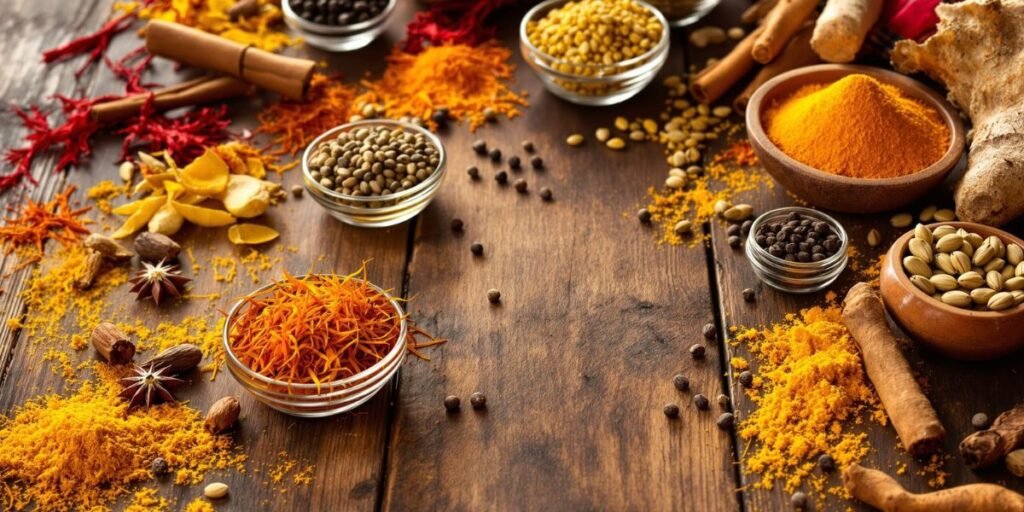
Spices like cinnamon, cardamom, clove, nutmeg, fennel, and star anise are not hot at all, yet they are incredibly impactful. Their value lies in their fragrance. A pinch of cardamom can lift a dessert, while cinnamon can add warmth and comfort without adding any spice.
Even spices that contain heat—like black pepper or dried chilies—have distinct aromas. Black pepper smells sharp and woody, while Kashmiri chili smells mildly sweet and smoky. When you toast spices gently in oil, you’re not increasing heat—you’re unlocking aroma.
Good cooking often starts with asking: What should this dish smell like?
Heat Is a Tool, Not the Goal
Chili heat comes from capsaicin, but not all chilies are meant to burn. Different chilies serve different purposes:
- Some add color (like Kashmiri chili)
- Some add smokiness (like dried red chilies)
- Some add sharp heat (like bird’s eye chili)
- Some add slow warmth (like black pepper)
Heat should support a dish, not dominate it. Too much heat can mask flavors, while the right amount can enhance sweetness, acidity, and richness.
In well-balanced cooking, heat acts like punctuation—it emphasizes the sentence, but it’s not the sentence itself.
Balance: The Real Secret of Spices
Great food is about balance, and spices are essential to achieving it. Every dish contains multiple elements—salt, fat, acid, sweetness, bitterness, and umami. Spices help connect and balance these elements.
For example:
- Cumin adds earthiness that balances acidity
- Coriander adds freshness that softens heat
- Mustard seeds add sharpness that cuts through oil
- Fenugreek adds bitterness that deepens richness
When spices are balanced well, no single flavor stands out too aggressively. Instead, everything feels rounded and complete.
This is why traditional spice blends work so well—they are built to create harmony, not chaos.
Purpose Matters More Than Quantity
One of the biggest mistakes in cooking is adding spices without understanding why they’re being used. Every spice should have a purpose.
Ask yourself:
- Is this spice adding aroma?
- Is it adding depth?
- Is it balancing sweetness or fat?
- Is it providing background warmth?
For example, bay leaves are rarely noticeable on their own, but without them, many dishes feel flat. Asafoetida is used in tiny amounts, yet it transforms lentil dishes. Nutmeg in excess can overpower, but in the right quantity, it quietly enhances cream-based recipes.
Spices work best when they are intentional, not accidental.
Timing Changes Everything
When you add a spice matters just as much as which spice you use.
- Whole spices added early infuse oil and create a base aroma
- Ground spices added mid-cooking build body and flavor
- Fresh spices or garam masala added at the end preserve aroma
Adding all spices at once often leads to flat or harsh flavors. Layering them allows each spice to perform its role properly.
Cooking with spices is not about speed—it’s about patience and timing.
Regional Cooking Teaches Us Purposeful Spicing
Across cuisines, spices are used with intention. In Indian cooking, the same spice behaves differently in different regions. In Middle Eastern cuisine, spices often emphasize warmth and sweetness. In Southeast Asia, spices balance herbs, sourness, and heat.
What’s common across all these cuisines is restraint and clarity. No cuisine uses spices randomly. Each tradition understands which spice belongs where and why.
Learning this mindset is more valuable than memorizing recipes.
Cooking With Confidence, Not Fear
Many home cooks are afraid of spices because they associate them with overpowering heat or complexity. But once you understand aroma, balance, and purpose, spices become friendly tools rather than intimidating ingredients.
Start small. Smell your spices. Taste them individually. Notice how they behave in oil, water, and fat. Over time, you’ll begin to trust your instincts.
Cooking with spices isn’t about making food spicy—it’s about making food complete.
Final Thought
Spices are not just about heat. They are about character, structure, and soul. When you cook with an understanding of aroma, balance, and purpose, your food stops being loud and starts being meaningful.
That’s when spices truly shine—not as fire, but as flavor.