In today’s fast-moving world, home cooking has taken on a new meaning. It’s no longer just about following old recipes exactly as they were written, nor is it about chasing trends blindly. The most meaningful food today lives somewhere in between—authentic recipes that respect tradition while adapting to modern home kitchens. This balance allows us to preserve cultural flavors while making cooking practical, accessible, and enjoyable for everyday life.
Authentic cooking is not about complexity or rigid rules. It is about understanding the soul of a dish—its ingredients, techniques, and purpose—while allowing room for evolution.
What Makes a Recipe Truly Authentic?
Authenticity in cooking is often misunderstood. It doesn’t mean a recipe must remain frozen in time. Instead, an authentic recipe captures the core identity of a dish—its flavor profile, cooking logic, and cultural roots.
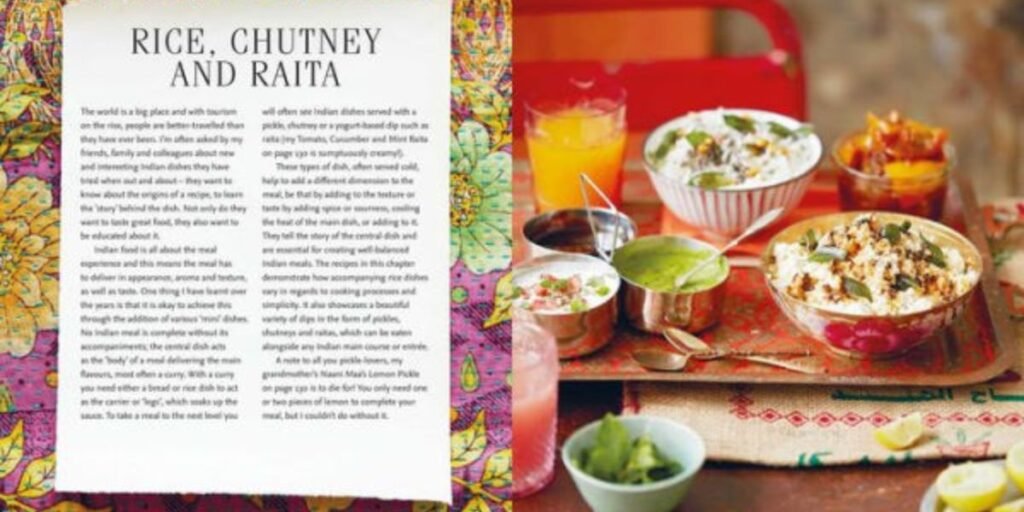
For example, traditional Indian home cooking is built around layering spices, slow flavor development, and seasonal ingredients. Even if a pressure cooker replaces a clay pot or an induction stove replaces firewood, the essence remains intact as long as the cooking principles are respected.
Authentic recipes honor:
- Original ingredients or their closest equivalents
- Time-tested cooking techniques
- Cultural context and purpose of the dish
At the same time, they allow flexibility for modern lifestyles.
Tradition as the Foundation of Flavor
Traditional recipes are the result of generations of observation, experimentation, and refinement. Long before food science became formal, home cooks understood how ingredients behave, how spices bloom, and how flavors mature over time.
These traditions give us:
- Balanced spice combinations
- Naturally nutritious meals
- Efficient use of local ingredients
- Deep, comforting flavors
Whether it’s a slow-simmered dal, a carefully spiced vegetable curry, or a festive rice dish, traditional cooking teaches patience, restraint, and respect for ingredients.
Preserving these methods ensures that food remains connected to culture, memory, and identity.
Modern Home Cooking: Practical, Flexible, and Inclusive
Modern kitchens come with new realities—limited time, smaller families, diverse dietary needs, and global ingredient access. Modern home cooking responds to these changes without discarding tradition.
Today’s home cooks look for:
- Shorter preparation times
- Clear, step-by-step instructions
- Measured spice levels
- Health-conscious adaptations
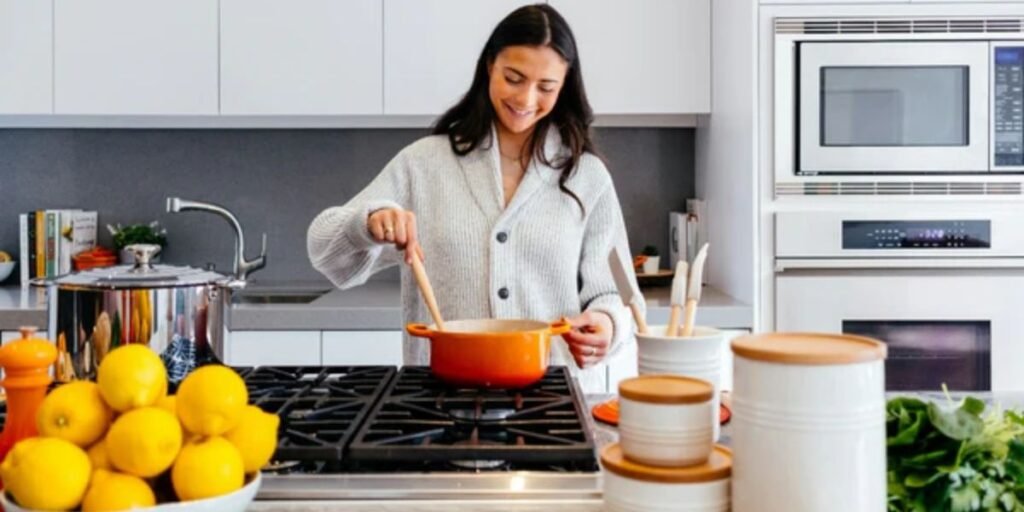
Modern cooking tools like mixers, blenders, air fryers, and pressure cookers help reduce effort while maintaining flavor. Ingredient substitutions make recipes accessible across regions and lifestyles.
The goal is not to simplify flavor, but to simplify the process.
Where Tradition Meets Modernity in the Kitchen
The most successful recipes today are those that blend old wisdom with new convenience. This approach keeps cooking relevant without losing its roots.
Examples of this balance include:
- Using traditional spice tempering with modern oils
- Cooking classic dishes in pressure cookers without sacrificing taste
- Adjusting portion sizes while keeping original ratios
- Retaining slow-cooked flavors through smart timing techniques
By understanding why a recipe works, home cooks gain the freedom to adapt it intelligently.
Authenticity Without Intimidation
One reason many people hesitate to cook traditional dishes is fear—too many steps, unfamiliar ingredients, or unclear methods. Modern recipe writing removes this barrier by explaining the logic behind each step.
When recipes are written clearly and thoughtfully:
- Beginners feel confident
- Experienced cooks gain insight
- Mistakes become learning moments
Authentic cooking should feel welcoming, not overwhelming. Food traditions survive only when they are cooked, shared, and enjoyed regularly.
The Role of Ingredients in Authentic Cooking
Ingredients are the bridge between tradition and modernity. While exact ingredients may not always be available, understanding their role allows meaningful substitutions.
For instance:
- Whole spices can be replaced with freshly ground versions
- Regional vegetables can be swapped with similar local produce
- Traditional fats can be adjusted based on health needs
What matters is preserving flavor balance, aroma, and texture, not blind imitation.
Cooking for Today, Rooted in Yesterday
Authentic modern home cooking recognizes that food is living culture. Recipes naturally evolve as families move, ingredients change, and lifestyles shift. This evolution does not weaken tradition—it strengthens it.
When a recipe is adapted thoughtfully, it remains relevant to new generations while carrying the memory of the past. Children learn flavors their grandparents loved, but in forms that fit today’s kitchen.
That is how culinary traditions stay alive.
Why Authentic Modern Recipes Matter More Than Ever
In a world dominated by instant food and shortcuts, authentic home cooking offers something rare—intentional nourishment. It connects us to our roots, slows us down, and brings meaning back to meals.
Authentic recipes that embrace modern practicality:
- Encourage home cooking
- Preserve cultural knowledge
- Promote mindful eating
- Build confidence in the kitchen
They remind us that good food doesn’t require perfection—only understanding and care.
A Living Tradition on Every Plate
Authentic recipes are not museum pieces. They are living, breathing expressions of culture that grow with time. By celebrating both tradition and modern home cooking, we ensure that flavors are not lost, but carried forward—one meal at a time.
Cooking this way is not about choosing between old and new.
It’s about letting them cook together.