Cooking should feel rewarding, not overwhelming. Yet for many people, time pressure, messy kitchens, and unpredictable results turn cooking into a daily struggle. The good news is that small changes in approach can make a big difference. Essential kitchen tips rooted in practicality and experience can simplify the process, reduce stress, and help you enjoy cooking more consistently.
These tips are not about fancy tools or complex techniques. They focus on habits, organization, and awareness—things that make everyday cooking smoother and more satisfying.
Start With Smart Preparation
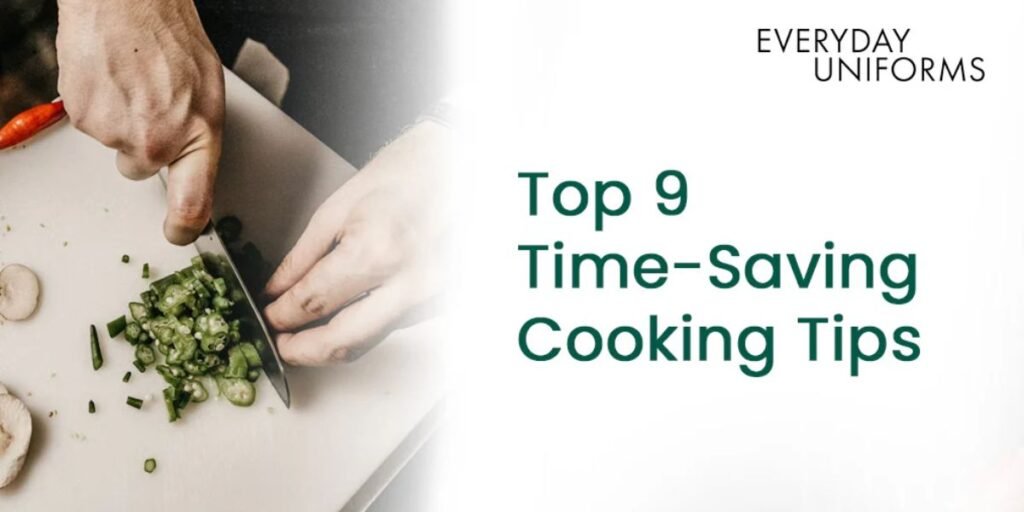
Preparation is one of the most effective ways to make cooking easier. Before turning on the stove, take a few minutes to read the recipe fully, gather ingredients, and prep what you can. Chopping vegetables, measuring spices, and keeping everything within reach prevents last-minute confusion.
This approach, often called mise en place, reduces mistakes and helps you cook with focus. When ingredients are ready, cooking becomes a calm, step-by-step process instead of a rushed scramble.
Keep Your Workspace Organized
A cluttered workspace slows you down and increases frustration. Keep only what you need on the counter and return items to their place once used. Wipe spills as they happen rather than letting them pile up.
An organized kitchen allows you to move efficiently and think clearly. When your space is clean and functional, cooking feels lighter and more enjoyable.
Use the Right Heat, Not Just High Heat
One common mistake is cooking everything on high heat to save time. High heat has its place, but using it incorrectly leads to burning, uneven cooking, and loss of flavor.
Learn when to use low, medium, or high heat based on the ingredient. Gentle heat develops flavor slowly, while higher heat creates browning and crispness. Controlling heat improves both taste and texture, making cooking feel more predictable and less stressful.
Taste as You Cook
Tasting food while cooking is one of the simplest and most powerful habits. It helps you adjust seasoning, balance flavors, and catch mistakes early.
Add salt gradually, taste often, and make small adjustments. This practice builds confidence and helps you understand how ingredients change during cooking. The more you taste, the better your instincts become.
Use Sharp Tools and Simple Equipment
Sharp knives and well-maintained tools make cooking faster and safer. Dull knives require more force and increase the risk of slipping. Keeping blades sharp allows cleaner cuts and smoother prep work.
You do not need expensive gadgets. A few reliable tools—a good knife, sturdy pan, and solid cutting board—are enough for most home cooking needs.
Clean as You Go
Cleaning as you cook prevents mess from piling up and makes post-cooking cleanup easier. Wash utensils while food is simmering, wipe counters between steps, and keep a small bowl for waste scraps.
This habit keeps your kitchen manageable and allows you to enjoy the cooking process without dreading the aftermath.
Simplify Recipes and Build Core Skills
Not every meal needs to be elaborate. Focus on mastering basic techniques such as sautéing, boiling, roasting, and seasoning properly. Once these skills become familiar, you can adapt recipes freely.
Simpler recipes also make cooking more enjoyable. They highlight ingredient quality and reduce mental load, helping you cook more often without feeling exhausted.
Respect Your Ingredients
Understanding ingredients makes cooking smoother. Knowing how vegetables soften, how proteins cook, or how spices release flavor helps you anticipate results instead of reacting to problems.
When you respect ingredient behavior, cooking feels intuitive. You stop fighting the food and start working with it.
Create a Comfortable Cooking Environment
Enjoyable cooking is not only about technique. Good lighting, ventilation, and a comfortable setup make a difference. Playing music, keeping water nearby, and taking short breaks help maintain energy and focus.
When the kitchen feels welcoming, cooking becomes a positive daily ritual rather than a task to rush through.
Why These Tips Matter
Cooking becomes easier and more enjoyable when stress is removed from the process. These essential kitchen tips help you save time, reduce mistakes, and build confidence step by step.
Over time, these habits turn cooking into a skill you enjoy practicing. Meals become more consistent, the kitchen feels less intimidating, and the act of cooking becomes something you look forward to—not something you avoid.
By simplifying how you approach the kitchen, you make space for creativity, comfort, and satisfaction in every meal you prepare.