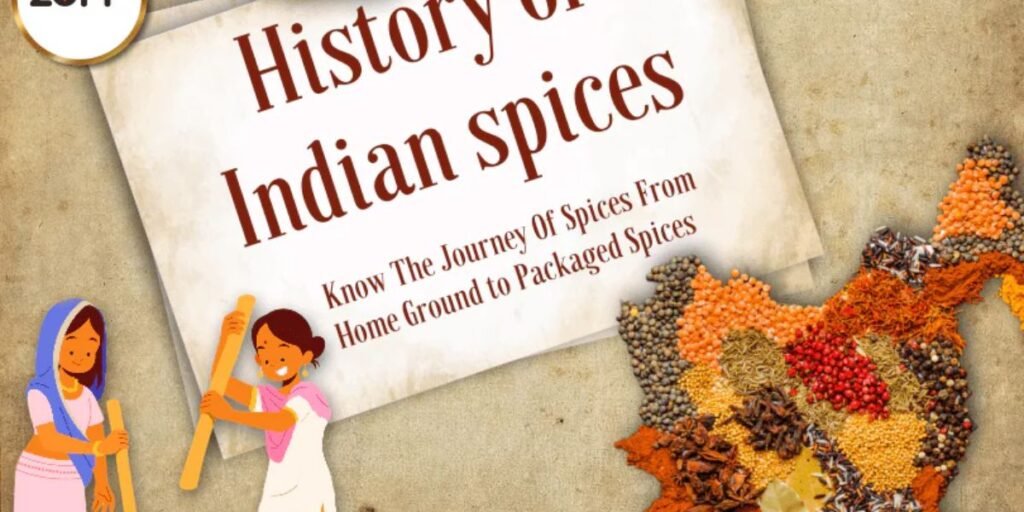
Spices are more than flavoring agents. Long before they found a permanent place on our kitchen shelves, spices shaped civilizations, powered global trade routes, influenced wars, and connected distant cultures. What we casually sprinkle into curries, soups, and marinades today once held the value of gold. The journey of spices—from ancient forests and farms to modern kitchens—is a story of discovery, ambition, and enduring human curiosity.
The Origins: Spices in the Ancient World
The use of spices dates back over 5,000 years. Ancient civilizations in India, China, Egypt, and Mesopotamia were among the first to recognize their value. Spices like turmeric, cinnamon, ginger, and cardamom were used not only for cooking but also for medicine, religious rituals, preservation, and even embalming.
In ancient India, spices were deeply tied to Ayurveda, where they were valued for their healing properties and their ability to balance the body. In Egypt, spices such as cumin and coriander were found in tombs, believed to aid the soul in the afterlife. These early uses established spices as precious commodities long before global trade existed.
The Rise of Spice Trade Routes
As demand grew, spices began traveling far beyond their places of origin. This led to the formation of early trade networks connecting Asia, the Middle East, and Europe. The famous Spice Routes, both over land and sea, became lifelines of commerce.
Arab traders dominated the spice trade for centuries, controlling the movement of spices like cloves, nutmeg, and pepper from Asia to Europe. These spices were rare, expensive, and mysterious to European buyers, increasing their allure. Pepper, in particular, became so valuable that it was often used as currency.
Spices didn’t just travel as goods—they carried ideas, culinary practices, and cultural exchange. With them came new cooking techniques, preservation methods, and flavor profiles that reshaped regional cuisines.
The Age of Exploration: Spices Change the World
The hunger for spices played a major role in the Age of Exploration. European powers sought direct access to spice-producing regions to bypass middlemen and control profits. This quest led to long sea voyages, new trade empires, and dramatic shifts in global power.
Spices like cloves, nutmeg, and mace were at the center of intense competition. Entire islands were fought over for control of a single spice. While this era brought global connectivity, it also resulted in colonization, exploitation, and forced labor—an often overlooked but important part of spice history.
Despite the darker chapters, this period permanently integrated spices into global cuisine. Foods across Europe began transforming, moving away from bland preservation-focused cooking toward richer, more complex flavors.
From Luxury to Everyday Ingredient
For centuries, spices were symbols of wealth and status. Only the elite could afford to cook with them regularly. Over time, advancements in agriculture, transportation, and trade made spices more accessible.
The Industrial Revolution played a key role in this shift. Improved shipping methods, standardized packaging, and global supply chains reduced costs. Spices slowly moved from royal kitchens into everyday households, becoming essential ingredients rather than luxury items.
This transition also changed how spices were used. Instead of heavy, overpowering applications meant to preserve food, modern cooking began focusing on balance, layering, and flavor harmony.
Spices in the Modern Kitchen
Today, spices are global citizens. A single kitchen may contain spices originating from multiple continents. Home cooks now experiment freely, blending traditional recipes with global influences.
Modern kitchens use spices not just for taste but also for health, aroma, and visual appeal. Turmeric is valued for its anti-inflammatory properties, cinnamon for blood sugar balance, and spices like cumin and fennel for digestion. Scientific research continues to validate many traditional uses, bridging ancient wisdom with modern nutrition.
At the same time, there is a growing appreciation for authenticity and quality. Consumers are becoming more aware of sourcing, freshness, and proper storage, realizing that spices are living ingredients that lose power over time.
Preserving Tradition While Embracing Change
While spice blends and ready-made mixes dominate store shelves, there is a renewed interest in whole spices and traditional grinding methods. Home cooks are rediscovering the depth of flavor that comes from freshly roasted and ground spices.
Culinary storytelling has also brought spice history back into focus. Understanding where a spice comes from, how it was traded, and how it shaped cuisine adds meaning to cooking. A dish becomes more than a recipe—it becomes a connection to history.
The Enduring Power of Spices
From ancient trade routes to modern kitchens, spices have never lost their relevance. They have adapted to time, culture, and technology while retaining their core purpose: transforming food and enriching life.
Every pinch of spice carries a story of exploration, survival, and creativity. When we cook with spices today, we participate in a tradition thousands of years old—one that continues to evolve, flavor by flavor.
In the end, spices are not just ingredients. They are history, culture, and science blended into the everyday act of cooking.