Cooking is not just about following steps in a recipe; it is a series of controlled reactions. Every time heat is applied, ingredients begin to change at a molecular level. These changes affect flavor, texture, aroma, color, and even nutrition. Understanding how ingredients react during cooking—and why it matters—helps you cook with intention rather than uncertainty.
When you know what is happening inside the pan or pot, you can control outcomes more precisely. You stop asking why something went wrong and start understanding how to make it right.
Heat as the Driving Force of Change
Heat is the main catalyst in cooking. It triggers physical and chemical reactions that transform raw ingredients into edible, flavorful food. As temperature rises, water evaporates, proteins change shape, sugars break down, and fats melt or separate.
Gentle heat encourages slow changes, such as softening vegetables or thickening sauces. High heat causes rapid reactions like browning and crisping. Knowing when to use low, medium, or high heat is essential because different ingredients react differently at various temperatures.
Cooking is about matching the right level of heat to the ingredient and the desired result.
Protein Reactions: Structure and Texture
Proteins are highly sensitive to heat. When heated, protein molecules unfold and then reconnect in new ways, a process known as denaturation and coagulation. This is why eggs turn from liquid to solid, and why meat firms up as it cooks.
However, too much heat causes proteins to tighten excessively, squeezing out moisture. This leads to dry, tough food. Slow cooking methods like simmering or braising allow proteins to relax gradually, resulting in tender textures.
Understanding protein reactions helps prevent overcooking and allows you to choose the right cooking method for legumes, dairy, eggs, or meat.
Sugar and Browning Reactions
Sugars react dramatically under heat. Caramelization occurs when sugars break down at high temperatures, creating deep, complex flavors and rich colors. This reaction gives caramel its characteristic taste and contributes to the sweetness of roasted vegetables.
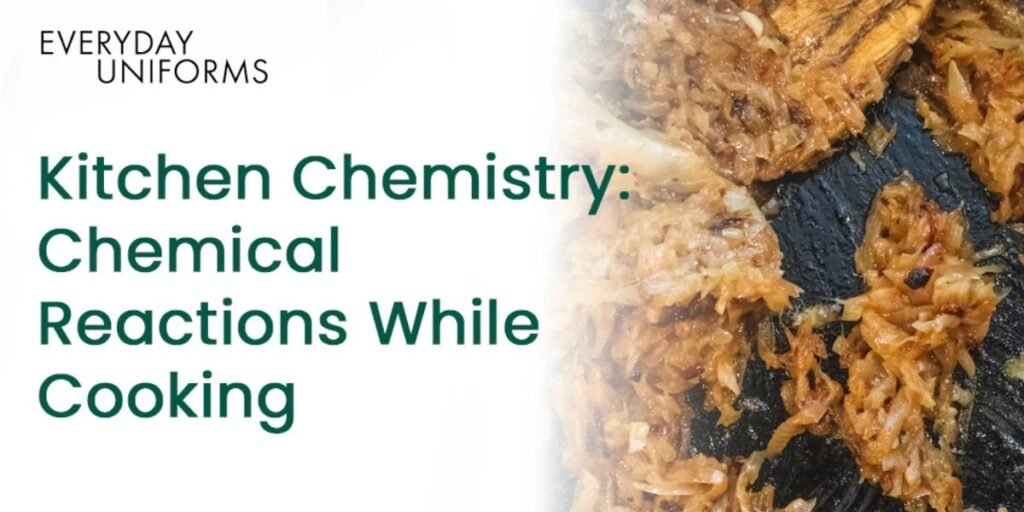
The Maillard reaction, which involves both sugars and proteins, is responsible for the savory browning in bread crusts, roasted spices, and seared foods. This reaction does not occur at low temperatures and requires dry heat.
Knowing how and when browning happens helps you develop flavor intentionally instead of accidentally burning food.
Fats and Flavor Release
Fats play a crucial role during cooking because they act as heat conductors and flavor carriers. When fats heat up, they melt and allow aromatic compounds to dissolve and spread evenly throughout a dish.
This is why spices are often bloomed in oil before other ingredients are added. Heat helps fat extract volatile oils from spices, intensifying aroma and depth of flavor.
However, overheating fats can cause them to break down, smoke, or develop bitter flavors. Choosing the right fat and controlling temperature ensures flavor enhancement rather than degradation.
Starches and Thickening
Starches change significantly when heated in the presence of water. As temperature rises, starch granules absorb water and swell, a process known as gelatinization. This thickens soups, gravies, and sauces.
If overheated or stirred too aggressively, starch structures can break down, causing thinning instead of thickening. Understanding starch behavior helps you control consistency and avoid common problems like lumpy or watery sauces.
Different starches react differently, which is why flour, corn starch, and rice flour behave uniquely in cooking.
Water, Steam, and Moisture Control
Water is often overlooked, but it plays a central role in ingredient reactions. Boiling, steaming, simmering, and poaching all rely on water as the cooking medium. Water transfers heat gently and evenly, preventing excessive browning.
Moisture also affects texture. Ingredients release or absorb water as they cook, changing firmness and mouthfeel. Salt, sugar, and acids influence how water moves in and out of food, shaping final texture.
Understanding moisture control helps prevent soggy vegetables, dry grains, or split sauces.
Acids and Chemical Balance
Acids slow down certain reactions and speed up others. They can prevent browning, tenderize proteins, and brighten flavors. Adding acidic ingredients too early or too late can dramatically change the outcome of a dish.
For example, acids can slow the softening of beans but help vegetables retain color. Knowing when to add acidic elements allows you to balance texture and flavor effectively.
Why This Knowledge Matters
When you understand how ingredients react during cooking, you gain control. You can adjust heat, timing, and technique based on what the food needs, not just what a recipe says.
This knowledge helps you:
- Fix mistakes instead of discarding food
- Adapt recipes to available ingredients
- Cook consistently, even without exact measurements
- Improve flavor and texture with simple adjustments
Cooking becomes less about luck and more about understanding.
Cooking With Confidence and Awareness
Ingredient reactions are the foundation of good cooking. They explain why slow cooking builds depth, why high heat creates crispness, and why timing matters as much as ingredients themselves.
By learning how ingredients behave under heat, you stop reacting to outcomes and start shaping them. Cooking becomes a skill rooted in knowledge, not guesswork. In the end, understanding these reactions allows you to create food that is not only delicious, but also intentional and consistently satisfying.