Good cooking is built on technique, not shortcuts. While recipes provide guidance, technique is what allows you to adapt, improve, and cook with confidence. Smart kitchen techniques help home cooks save time, avoid common mistakes, and produce consistent results. Mastering these skills transforms cooking from a routine task into an enjoyable and controlled process.
These techniques focus on understanding how food behaves and how small adjustments can make a big difference.
Mise en Place: Cooking With Organization
One of the most effective techniques is preparing everything before you start cooking. Measuring, chopping, and arranging ingredients ahead of time prevents rushed decisions and mistakes during cooking.
This approach keeps you focused on technique rather than scrambling for ingredients. It also improves efficiency and reduces stress, especially when working with multiple components.
Heat Control and Temperature Awareness
Learning how to control heat is essential. Not every dish needs high heat, and not every ingredient reacts well to sudden temperature changes. Medium heat works best for most tasks, allowing even cooking and better flavor development.
Understanding how your stove behaves and adjusting heat accordingly prevents burning and uneven textures.
Proper Seasoning at the Right Time
Seasoning is not just about salt. It is about timing and balance. Adding salt early helps ingredients release moisture and develop flavor, while final adjustments fine-tune the dish.
Learning to season in stages prevents bland results and allows flavors to build naturally throughout the cooking process.
Knife Skills for Efficiency and Safety
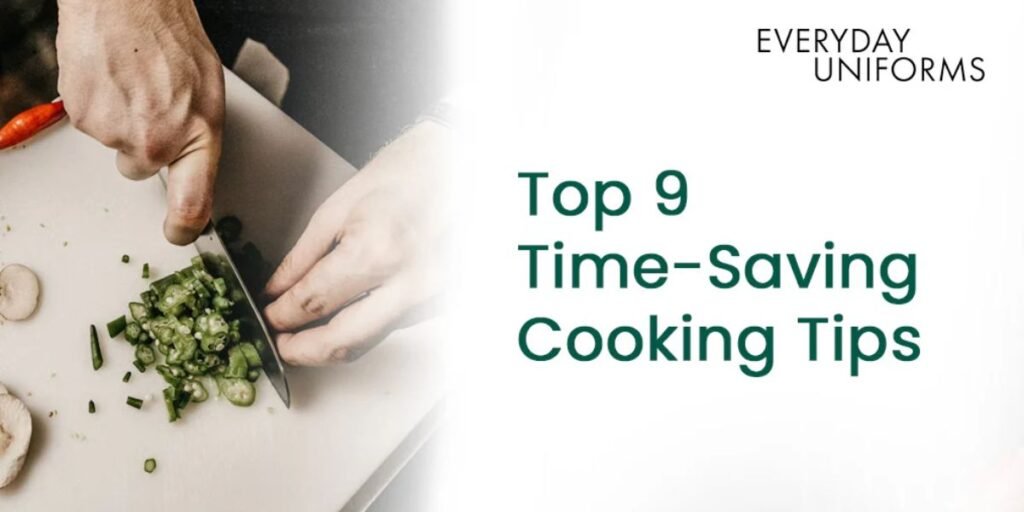
Good knife technique saves time and improves consistency. Uniform cuts ensure even cooking and better texture. Proper grip and posture reduce fatigue and improve safety.
You do not need advanced cuts, but mastering basic chopping, slicing, and dicing makes preparation smoother and faster.
Understanding Ingredient Behavior
Ingredients react differently to heat, moisture, and time. Knowing how vegetables soften, how proteins firm up, or how starches thicken allows you to anticipate outcomes instead of reacting to problems.
This awareness makes cooking intuitive and reduces reliance on strict recipes.
Using Fat Effectively
Fat plays multiple roles in cooking. It carries flavor, improves texture, and prevents sticking. Heating fat before adding ingredients helps achieve better browning and aroma.
Choosing the right amount and type of fat ensures balanced flavor without greasiness.
Tasting and Adjusting as You Cook
Tasting throughout the cooking process helps you maintain balance. Adjusting seasoning gradually prevents overcorrection and builds confidence.
This habit strengthens your understanding of how ingredients and heat affect flavor.
Cooking in Batches When Needed
Overcrowding pans leads to steaming rather than browning. Cooking in batches allows moisture to escape and improves texture.
Though it may seem slower, this technique often saves time by producing better results on the first attempt.
Resting and Finishing Techniques
Allowing food to rest after cooking improves texture and flavor. Resting helps redistribute moisture and prevents dryness.
Finishing techniques such as adding fresh herbs, a drizzle of oil, or a squeeze of acid can elevate a dish without extra cooking.
Why These Techniques Matter
Smart kitchen techniques reduce uncertainty and improve consistency. They allow home cooks to adapt recipes, troubleshoot issues, and cook confidently under different conditions.
Mastering these skills does not require professional training—only awareness and practice. Over time, these techniques make cooking smoother, more enjoyable, and far more reliable.