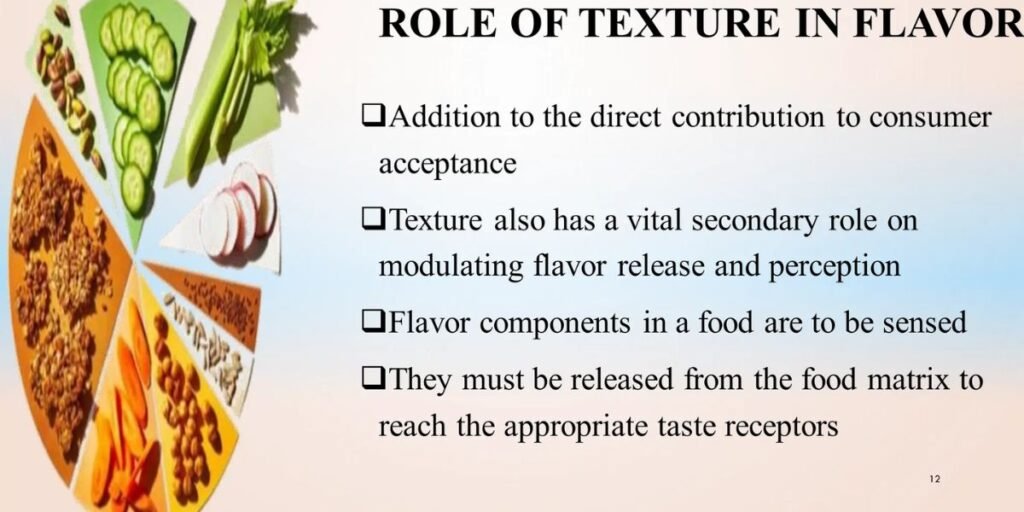
Every memorable dish, whether simple or complex, is built on a careful balance of ingredients. Flavor and texture are not accidents in cooking; they are the direct result of how ingredients interact with heat, moisture, time, and each other. Understanding the role of ingredients in flavor development and texture helps cooks move beyond following recipes and begin cooking with intention and confidence.
At its core, cooking is transformation. Raw ingredients change in taste, aroma, and structure as they are mixed, heated, fermented, or rested. Knowing why these changes happen allows you to control outcomes rather than relying on guesswork.
How Ingredients Create Flavor
Flavor is more than just taste. It is a combination of taste, aroma, and mouthfeel. Ingredients contribute to flavor in different ways, and each plays a specific role.
Salt, for example, does not merely make food salty. It enhances existing flavors, suppresses bitterness, and helps ingredients release their natural aromas. Even sweet dishes rely on a small amount of salt to feel complete and balanced.
Sugars contribute sweetness, but they also play a crucial role in browning reactions like caramelization and the Maillard reaction. These reactions create complex flavors, giving roasted vegetables, baked bread, and seared meats their deep, satisfying taste.
Acids such as lemon juice, vinegar, or fermented ingredients brighten flavors. They cut through richness, add freshness, and make dishes taste lighter and more vibrant. Without acid, food often feels flat, no matter how well seasoned it is.
Fats act as flavor carriers. Many aromatic compounds dissolve better in fat than in water, which is why tempering spices in oil releases their full aroma. Fats also round out harsh flavors and create a sense of richness and satisfaction.
The Science Behind Texture
Texture is how food feels in the mouth—soft, crisp, chewy, creamy, or crunchy. Ingredients largely determine texture through their structure and composition.
Proteins are key texture builders. When heated, proteins change shape, tightening or setting into new forms. Eggs firm up into custards, lentils soften while holding their shape, and gluten proteins give dough its stretch and chew.
Starches play a major role in thickness and structure. When heated with moisture, starch granules swell and gelatinize, thickening sauces, gravies, and soups. Rice, wheat, and potatoes all rely on starch behavior to achieve their characteristic textures.
Fats contribute smoothness and tenderness. In baking, fat coats flour proteins, limiting gluten formation and creating softer textures. In sauces, fats help create emulsions that feel creamy rather than watery.
Water and moisture control texture more than many realize. Too little moisture leads to dryness; too much can cause sogginess. Ingredients that absorb or release water, such as salt or sugar, directly affect how firm or soft a dish becomes.
Ingredient Interactions Matter
Ingredients rarely act alone. Their interactions define the final outcome of a dish. When flour, water, and fat come together, they create dough with properties very different from each ingredient on its own. When spices are heated in oil, their flavors intensify compared to being added raw.
Emulsifiers, whether natural or added, allow ingredients that normally separate to stay together. Mustard in a vinaigrette or egg yolk in mayonnaise helps oil and water blend, creating a stable and pleasant texture.
Fermentation is another example of ingredient interaction. Microorganisms break down sugars and proteins, developing new flavors and altering texture. Fermented batters become airy and soft, while pickles turn crisp and tangy.
Traditional Wisdom and Ingredient Use
Traditional cooking systems often reflect a deep understanding of ingredient behavior, even without formal science. Indian cooking, for instance, layers flavors by adding ingredients at different stages—tempering spices in oil, cooking onions slowly, and finishing with fresh herbs or acids.
These practices are not random. Each step extracts flavor differently and builds complexity while maintaining balance. Texture is also carefully considered, whether through soaking grains, fermenting batters, or slow-cooking legumes to achieve the right softness.
Modern cooking sometimes overlooks this wisdom by focusing only on speed or convenience. Understanding ingredients helps bridge tradition and modern techniques without sacrificing quality.
Cooking With Awareness Instead of Guesswork
When you understand the role of ingredients in flavor and texture, recipes become guides rather than rules. You learn how to adjust salt to enhance sweetness, add acid to lift heaviness, or change cooking methods to improve texture.
This awareness allows you to rescue dishes that feel bland, overly thick, too dry, or unbalanced. It also helps you adapt recipes based on available ingredients without compromising the final result.
Why Ingredient Knowledge Matters
Flavor and texture are the foundation of enjoyable food. Expensive ingredients or complex techniques cannot compensate for a lack of balance or poor texture. Ingredient knowledge empowers you to cook smarter, waste less, and appreciate food on a deeper level.
By understanding how ingredients work, you move from simply cooking food to shaping it. You gain the ability to create meals that feel intentional, satisfying, and consistently good—regardless of the recipe or cuisine.
In the end, great cooking is not about memorizing instructions. It is about understanding ingredients and letting them work together to create flavor, texture, and harmony on the plate.