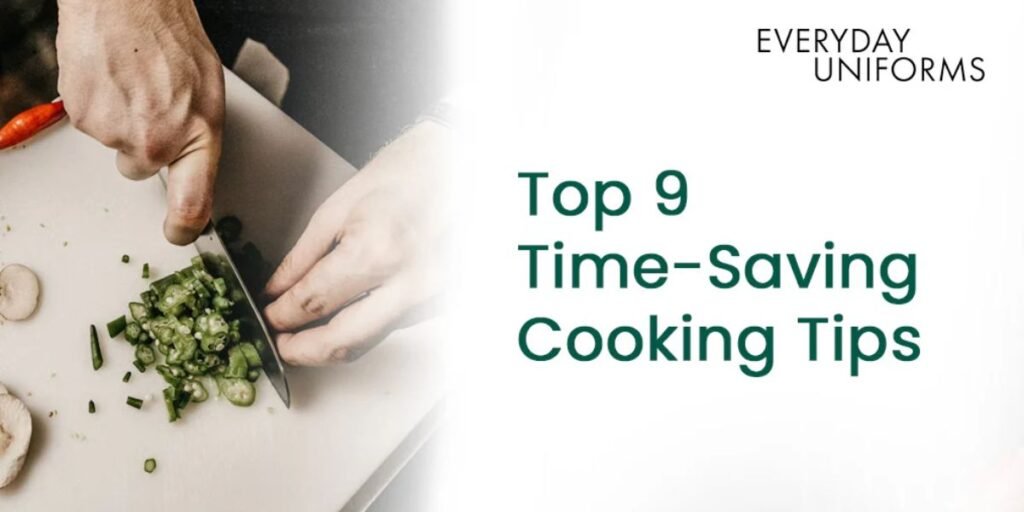
Daily cooking often feels like a race against time. Between work, responsibilities, and limited energy, it is easy to fall into habits that save time but sacrifice flavor. The good news is that efficiency and taste do not have to compete. With the right approach, small adjustments can help you cook faster while actually improving the quality of your food.
These time-saving and flavor-boosting tips are designed for real, everyday cooking—practical methods that fit into busy routines without compromising taste.
Plan Lightly, Not Perfectly
You do not need strict meal plans to cook efficiently. Having a rough idea of what you will cook for the next day or two reduces decision fatigue and last-minute stress.
Keeping a few versatile ingredients on hand—such as onions, spices, grains, and proteins—allows you to adapt quickly. Light planning saves time without locking you into rigid schedules.
Prep Once, Use Multiple Times
One of the most effective ways to save time is to prep ingredients in advance. Chopping vegetables, cooking grains, or making basic sauces once can support multiple meals.
Prepared ingredients reduce daily effort and make cooking feel manageable, even on busy days. Proper storage ensures freshness and flavor remain intact.
Use Heat to Develop Flavor Faster
Proper heat management allows you to build flavor efficiently. Medium-high heat, when used correctly, helps ingredients brown and release aroma quickly.
Avoid overcrowding the pan, as this traps steam and slows flavor development. Cooking in batches may take a few extra minutes but often results in better flavor and faster overall progress.
Bloom Spices for Maximum Impact
Spices release their full aroma when briefly heated in oil. This simple step intensifies flavor without adding extra ingredients.
Blooming spices at the beginning of cooking creates a strong flavor base that carries through the entire dish, reducing the need for heavy seasoning later.
Season Gradually, Not All at Once
Adding seasoning in stages saves time by preventing overcorrection. A well-seasoned dish develops flavor naturally and requires fewer adjustments at the end.
Gradual seasoning also helps you understand how ingredients interact, making future cooking faster and more intuitive.
Use Acid to Wake Up Dishes
A small amount of acid added at the end of cooking can instantly brighten flavor. Lemon juice, vinegar, or fermented liquids add freshness without additional cooking time.
This quick adjustment often eliminates the need for more salt or fat, improving balance efficiently.
Choose Techniques That Work While You Rest
Methods like roasting, simmering, and pressure cooking allow food to cook with minimal supervision. These techniques free up time while building deep flavor.
Using lids appropriately traps heat and speeds cooking, especially for grains and vegetables.
Keep Tools and Ingredients Within Reach
Efficiency improves when everything you need is accessible. Organize frequently used tools and ingredients so you are not searching mid-cooking.
A well-organized kitchen saves small amounts of time repeatedly, adding up to a smoother daily routine.
Rely on a Few Go-To Flavor Builders
Having a small set of reliable flavor boosters—such as garlic, ginger, spices, herbs, and oils—helps you cook quickly without overthinking.
Familiar ingredients reduce preparation time and improve consistency across meals.
Why These Tips Work for Daily Cooking
Time-saving and flavor-boosting tips succeed because they respect real-life constraints. They focus on efficiency through understanding, not shortcuts that reduce quality.
By using heat wisely, prepping smartly, and seasoning thoughtfully, daily cooking becomes faster and more enjoyable. Over time, these habits help you create flavorful meals without stress, proving that good food does not require extra time—only better choices.